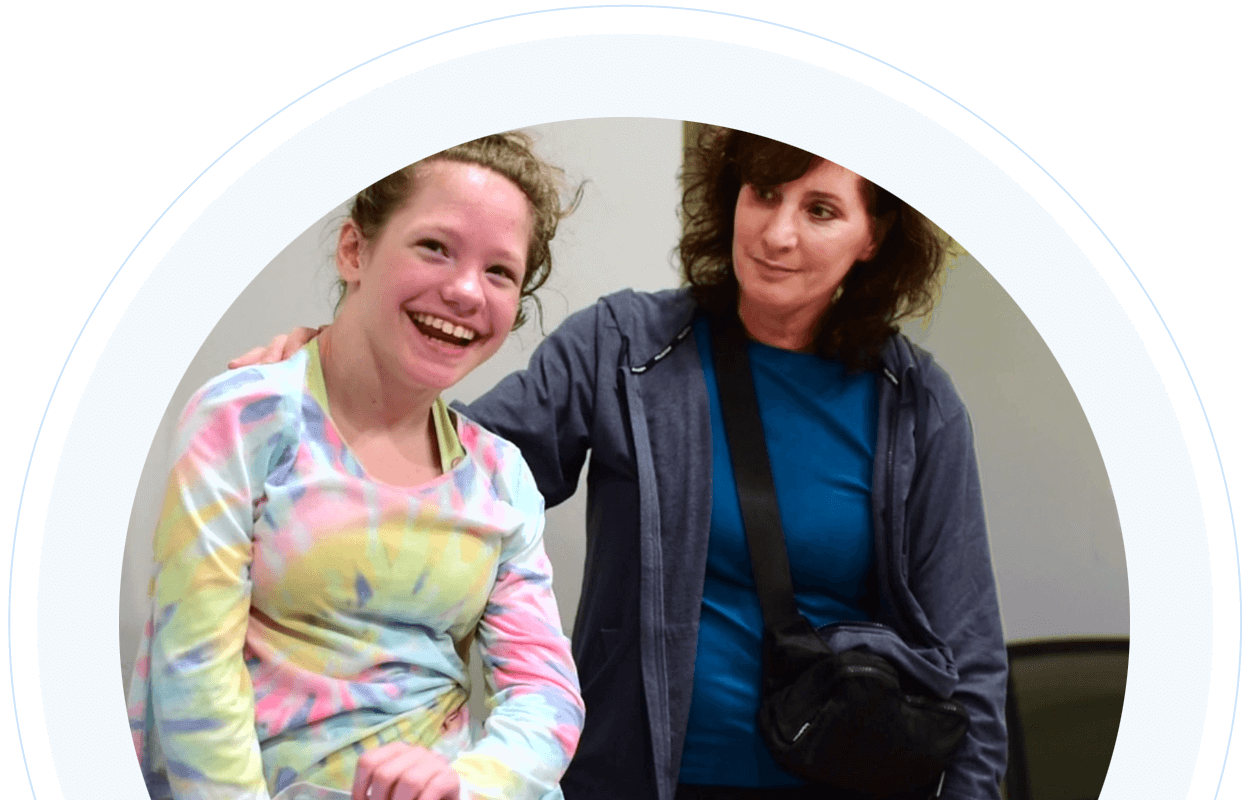
We aim to change the trajectory of neurological disorders #
A recent study estimated 1 in 3 people worldwide–43% of the world's population or 3.4 billion people–are affected by neurological conditions*. Disability, illness, and premature death caused by these conditions has grown by 18% since 1990, making them the top contributor to the global disease burden.
At NeuroCytonix, we are investigating our technology and its effects on healing neural tissue, which may offer new hope for those affected by neurological disorders.
*According to a study released by The Lancet Neurology
What are neurological disorders? #
Neurological disorders are conditions that affect our nervous system. Our nervous system consists of the brain, spinal cord, and a complex network of nerves that play an important role in everything we do. It acts as our body's control center, regulating bodily functions, thoughts, and movements.
The normal functioning of our nervous system can be disrupted if affected by a neurological condition. These conditions may develop at birth (congenital), inherited (genetic), caused by a bacterial or viral infection, or can develop suddenly due to an injury or illness, such as a head injury or stroke.
Some conditions may also emerge as a person ages and their nerve cells deteriorate. One of the recently identified neurological disorders is cognitive impairment caused by the COVID-19 virus.
Living with Neurological Disorders #
Neurological disorders affect both children and adults and certain conditions lead to long-term complications and are currently without a cure. Due to the complexity of the nervous system and its connection to every part of the body, these disorders can have varying degrees of impact on people affected by them.
Depending on the type of neurological condition, a person may experience symptoms such as:
- Headaches
- Unexplained pain
- Seizures
- Muscle weakness
- Partial or complete paralysis
- Tremors
- Balance problems
- Cognitive difficulties
- Mood changes
- And many more
These conditions take independence away from those suffering, as they require more physical and emotional support in their daily lives. Depending on the type and severity of a condition, existing treatments may often combine medication for symptom management with therapies like physical, occupational, and speech therapy for functional improvement. Some cases also need surgical interventions.
Neurological Conditions We Focus On #
Cerebral Palsy (CP) #
CP is a group of neurological disorders that affect a person's ability to control their movement, balance, and posture. It stems from atypical brain development or injuries that occur before, during, or shortly after birth and is diagnosed in infancy or childhood. CP symptoms and severity vary depending on the brain areas impacted. Conventional treatments focus on mitigating symptoms, but there is no cure.
Observations of people with CP who received our protocol showed that muscle tone, movement, ability to eat, and coordination significantly improved as compared to those who received placebo.
Our cerebral palsy treatment protocol
Autism #
Autism, formally known as autism spectrum disorder (ASD), is a developmental condition that can cause differences in the way people act, communicate, interact, and think. The spectrum nature of autism means that symptoms and challenges vary widely among individuals. Common features include difficulties with social interaction, communication, and repetitive behaviors, with each person exhibiting unique strengths and needs.
The characteristics associated with autism typically emerge before the age of three. While the exact causes of autism remain unclear, research suggests that both genetic and environmental factors play a role.
We are currently studying our protocol in patients with autism. Based on case studies, some patients that have higher support needs who received our protocol have shown improvements in calmness, communication, focus, and engagement with the world around them as measured by neurological and neuropsychological testing compared to their baseline behavior prior to protocol administration. Encouraged by these initial outcomes, we are now conducting clinical trials to further evaluate our autism protocol.
Stroke #
A stroke occurs when the blood supply to part of the brain is disrupted or reduced, damaging or killing neurons. There are two ways a stroke can happen: a blocked artery (ischemic stroke) or a break in a blood vessel (hemorrhagic stroke). Symptoms can include sudden numbness or weakness in the face, arm, or leg, difficulty speaking or understanding speech, vision problems, dizziness, and severe headaches.
Traumatic Brain Injury (TBI) #
TBI occurs when an external force, such as a blow to the head, damages the brain. The severity of TBI varies, leading to symptoms like headaches, dizziness, confusion, memory loss, and seizures.
A concussion is a type of TBI that can be dangerous when repeated, as some professional athletes and military personnel experience. Severe TBI can have long-term effects on brain function, requiring ongoing medical care and rehabilitation. Recovery from neurological disorders like TBI is challenging and demands a combination of medical treatment, rehabilitation, and symptom management.
Vascular dementia #
Vascular dementia is a form of cognitive decline resulting from reduced blood flow to the brain, often triggered by strokes or damage to blood vessels. This decreased circulation deprives the brain of oxygen and vital nutrients, leading to impaired memory and cognitive function.
The symptoms vary depending on the part of the brain where blood flow is impaired. Symptoms commonly noticed are difficulty with organization, planning, concentration, decision-making, and maintaining attention. Mood changes, such as depression or irritability, and challenges with movement and balance are also frequent.
Neurological Impacts of COVID-19 #
COVID-19 can lead to a range of neurological issues, from mild symptoms like headaches, dizziness, and loss of smell to severe complications such as stroke, encephalitis, and Guillain-Barré Syndrome. Long-term effects may include difficulty thinking and mental tiredness, often referred to as “long COVID brain fog,” and Postural Orthostatic Tachycardia Syndrome. The mechanisms behind these impacts are still under investigation. Our research into this neurological condition remains ongoing.
NeuroCytonix Mexico Clinical Research Center #
Discover the future of medical research at our state-of-the-art clinical research center.