RH’s Story #
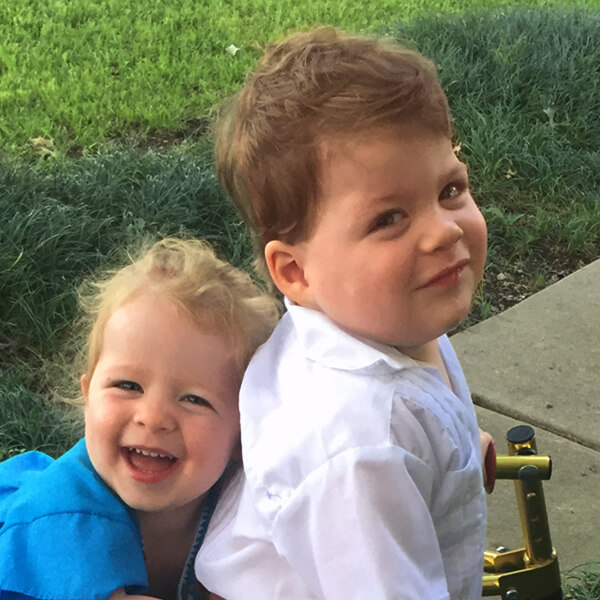
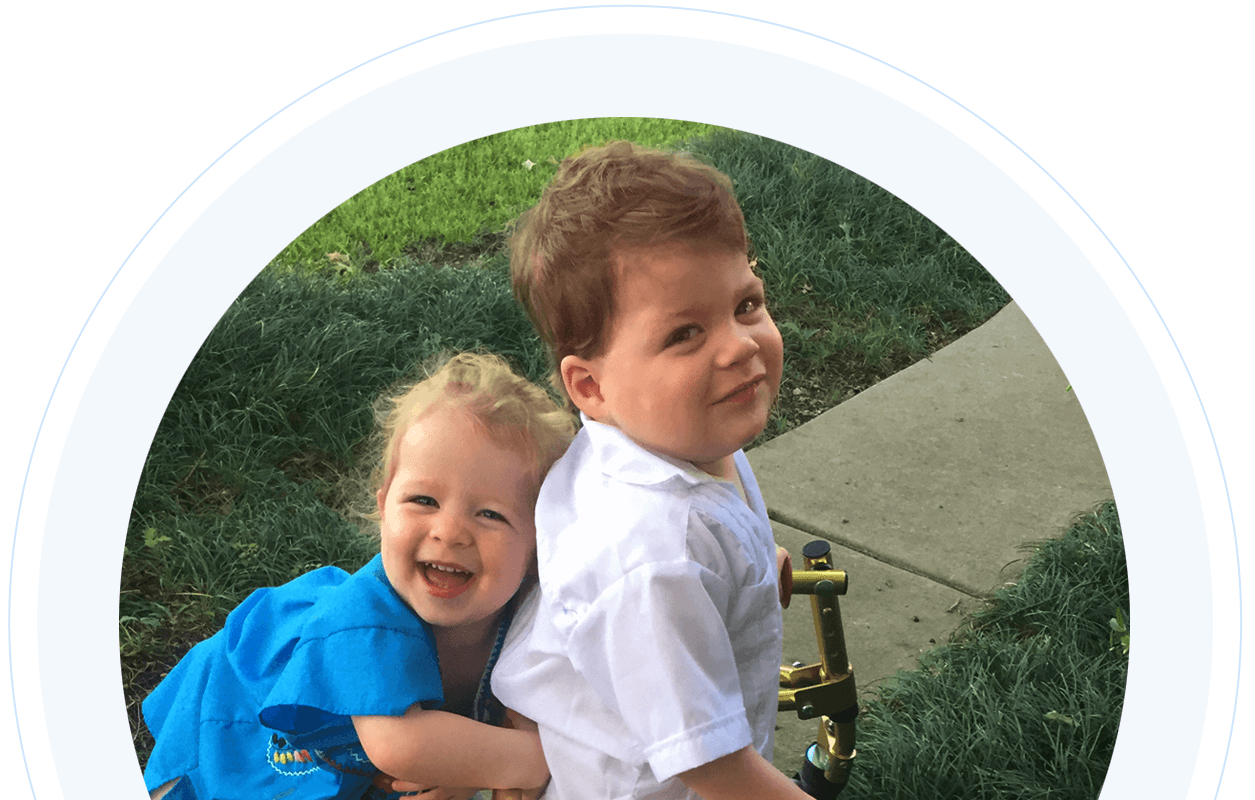
RH is a six-year-old boy who underwent the NeuroCytonix protocol for cerebral palsy at our clinical research center in Mexico. RH was born with his twin sister and not long after he was diagnosed with cerebral palsy. By the age of six, he had difficulty moving and speaking, and was diagnosed with epilepsy.
Read on to learn more about his prior symptoms and treatment, and how his symptoms, behavior, and quality of life changed dramatically from baseline after receiving our treatment.
How Cerebral Palsy Impacted RH #
Cerebral palsy can be caused by injuries to the developing brain that happen before, during, or shortly after birth. Being one of a multiple birth (e.g. twins, triplets, etc.) increases the likelihood that a child will have the disorder. From a medical viewpoint, our pediatric neurologist found that RH was a child with cerebral palsy who showed many of the characteristics that are typical of the disorder.
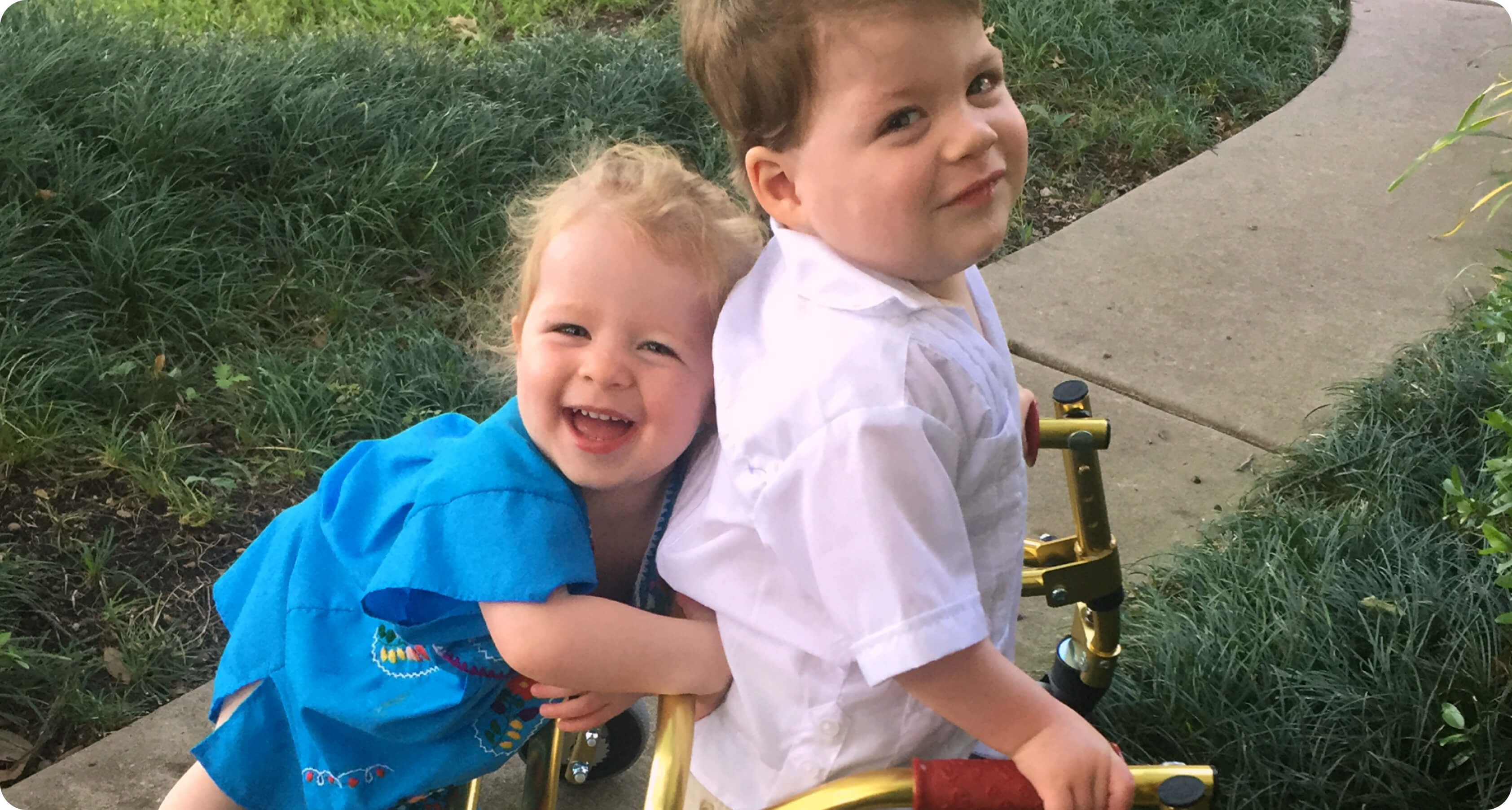
When bringing RH to receive our protocol for cerebral palsy, RH’s mother noted that he was delayed in meeting speech and walking developmental milestones. She also reported that he had difficulty transitioning out of diapers, his seizures from epilepsy were not under control, and he was hyperactive. RH displayed spastic quadriparesis, meaning all four of his limbs had muscle tightening or spasms. He also had challenges with fine motor skills in both hands, hyperactivity, and thinking and learning (cognitive impairment). RH had little verbal language, so he was unable to communicate about his perspective on his condition.
Previous Treatment for RH #
Conventional treatment for cerebral palsy did not produce significant improvements for RH.
Symptoms Prior to Receiving the Protocol #
Before the protocol, RH was experiencing the following symptoms:
- Frequent falls while walking
- Difficulty speaking
- Epilepsy
- Incontinence
- Difficulty controlling movements, especially fine motor control
The NeuroCytonix Protocol for Cerebral Palsy #
The NeuroCytonix protocol showed promise for RH because it seeks to address brain injuries directly. The protocol is designed to reduce symptoms and improve quality of life.
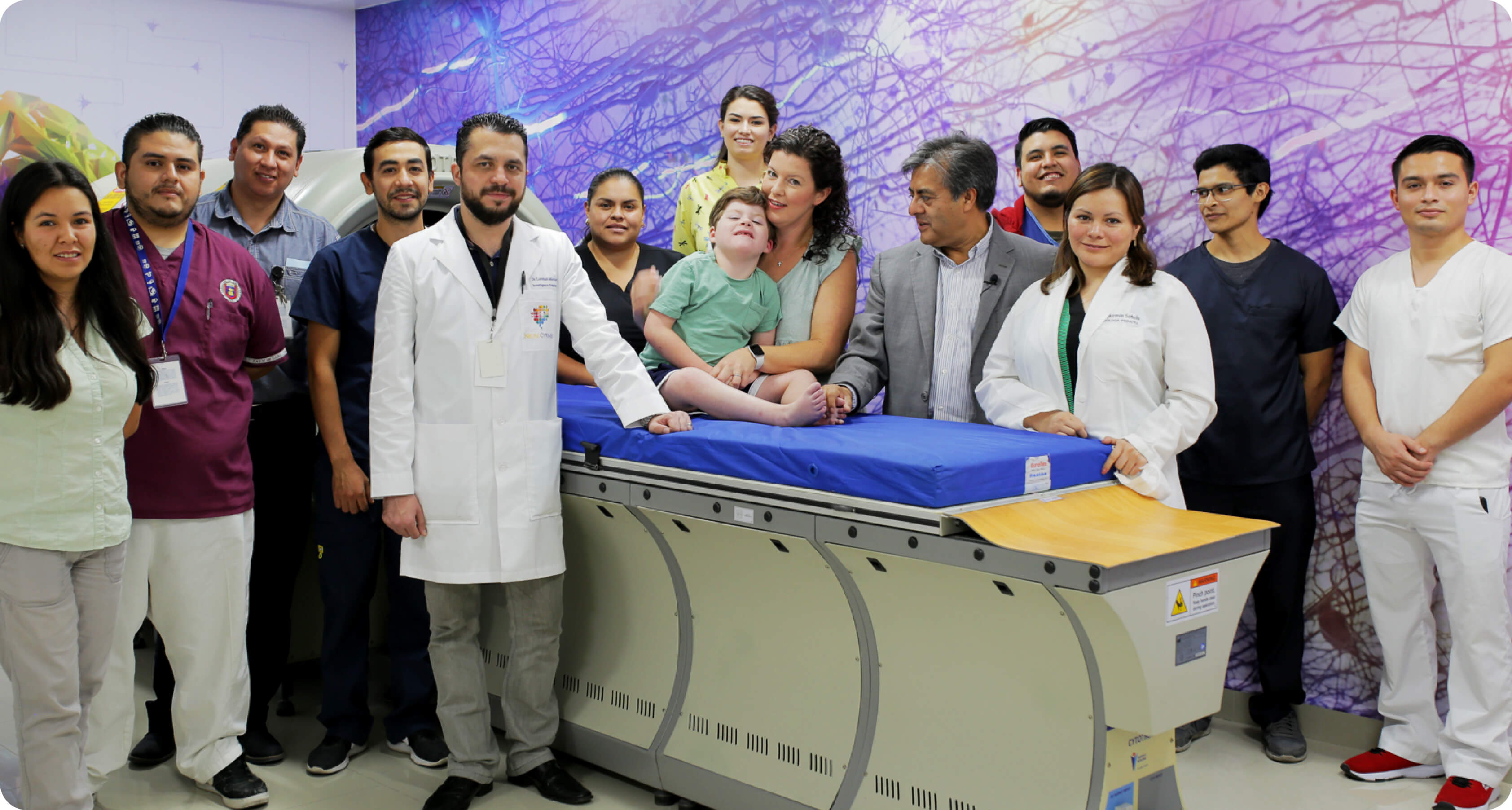
RH received our protocol for cerebral palsy designed to promote functional neurogenesis stimulation to repair the brain and help restore motor function. Our medical device delivered precise levels of radiofrequency waves to damaged or nonfunctioning cells with the goal of activating cell signaling pathways that regenerate brain cells and repair their broken communication networks.
We saw RH in our Monterrey, Mexico clinic where he was a participant in an early case report studying the protocol’s potential as a treatment for cerebral palsy.
RH’s protocol followed these steps:
- First, an MRI was performed at a local hospital to visualize RH’s brain structure and precisely locate the area where the radiofrequency signals should be focused.
- Then our neurologist studied the MRI scan data and tailored the protocol to RH’s specific injuries and our technicians calibrated the NeuroCytotron to deliver the correct dosage.
- The protocol was delivered for one hour a day for 28 consecutive days at our clinical center.
Life after the cerebral palsy protocol #
Brain imaging, brain activity testing, and clinical observations documented the changes in RH’s cerebral palsy symptoms and allowed us to evaluate the protocol as a potential treatment for cerebral palsy. Brain imaging was done through MRI tractography, a method of visualizing connections called neural tracts that help the brain perform its essential functions. Tractography data from RH’s brain showed an increase in neural tracts following the 28-day treatment. Researchers performed an EEG (electroencephalogram) to measure the activity of the brain at the beginning and end of the study. EEGs measure the small electrical signals in the brain that its cells use to communicate with each other.
RH’s experience with the protocol included:
- EEG tests that displayed significant improvements in movement control.
- Clinical observations showed a decrease in his cerebral palsy symptoms.
- More independence halfway into the protocol (14 days), performing activities like getting dressed, playing with other children, eating, and brushing his teeth.
- Cognitive improvement by the end of the protocol (28 days), which resulted in clearer speech, better balance, and better ability to control his movements.
After receiving the protocol for cerebral palsy, RH’s mother described him as calm, sensitive, and able to effectively express his affection. His mother commented, “A lot of the sadness has lifted as we’ve just been able to see just a more clear version of who he is as I think his brain has started to heal and calm down.”
RH continued to show improvements in the months following the end of the protocol. The moment his mother heard him say “mama” for the first time towards the end of the protocol brought her tears of joy.
Contact us if you or a loved one are interested in receiving our CP protocol
NeuroCytonix Mexico Clinical Research Center #
Discover the future of medical research at our state-of-the-art clinical research center.